
3 hr
Kanazawa Castle & Samurai District Walking Tour
Uncover feudal Japan through castle grounds, an elegant garden, and streets where samurai once lived.
Reserve

Hand-picked by our editors — only the best 5 heritage experiences from 23 reviewed.
Verified partners for every tour, free cancellation where available, and instant confirmation on every booking.
3 hr
Uncover feudal Japan through castle grounds, an elegant garden, and streets where samurai once lived.
Reserve
1 hr
Learn authentic tea ceremony rituals in a historic teahouse within one of Japan's most celebrated gardens
Reserve
5 hr
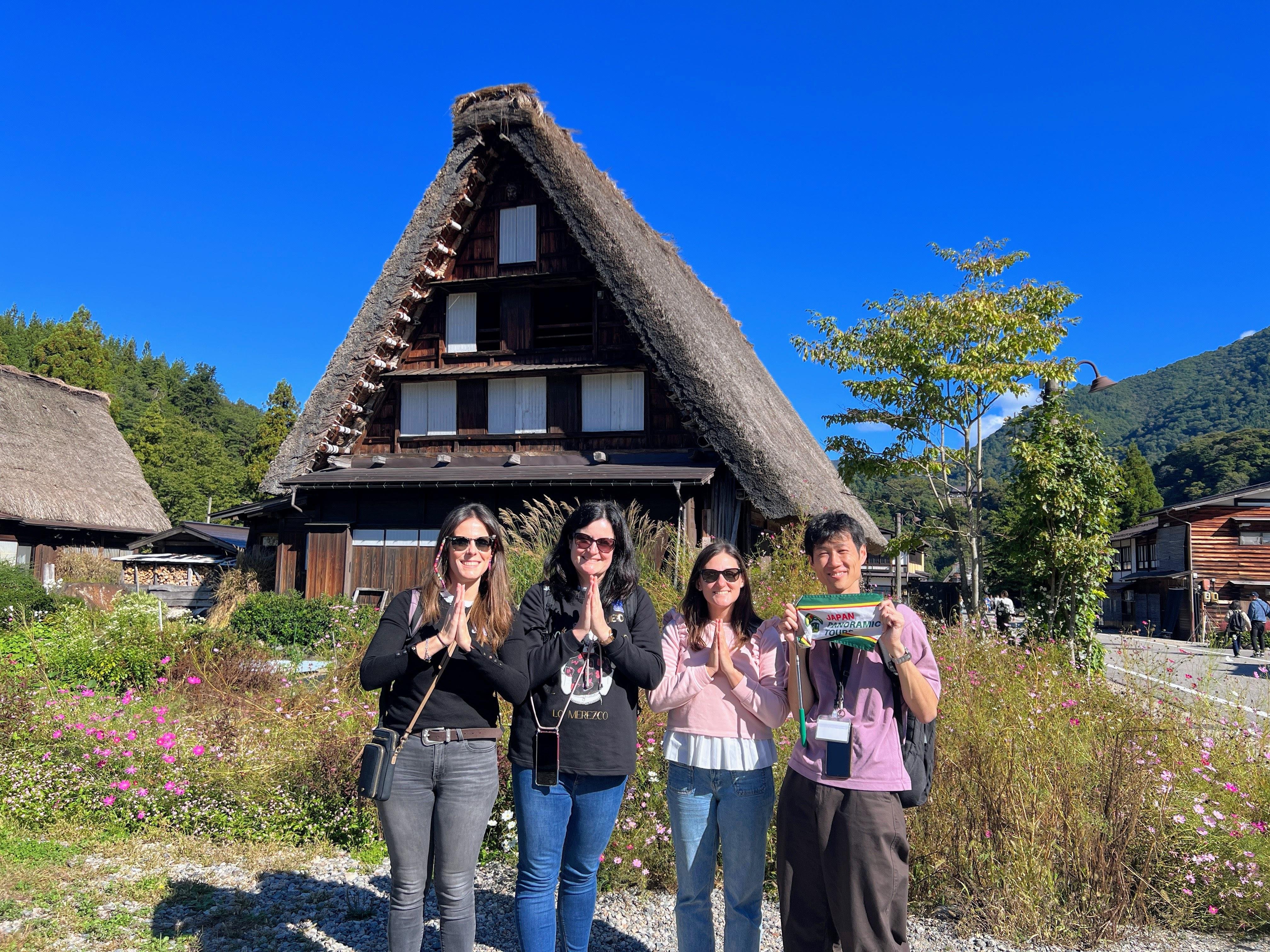
Half-day guided trip to a preserved gassho-zukuri village with local tastings and scenic mountain views
ReservePrices from verified partners. Availability updates in real time at checkout. Free cancellation policies apply where shown.
The landmarks, rooms, and views travelers on this tour remember — all visible on a single visit.
This 50-meter-long wooden storehouse served as a defensive wall and storage facility. The reconstruction was completed in 2001 using traditional carpentry techniques without using any metal nails.
A diamond-shaped, three-story tower designed to maximize the field of view for castle defenders. The building features unique 100-degree internal angles in its pillars and walls.
Constructed in 1788, this gate is one of the few surviving original structures of the castle complex. It is designated as an Important Cultural Property of Japan.
A beautiful landscape garden reconstructed in 2015 based on historical drawings from the Edo period. It features a large central pond, three islands, and a rest house.
This gate served as the main entrance of the castle and was rebuilt in 2010. Visitors can enter the upper story of the gate for free to view historical exhibits.
They complement each other; most visitors who do both call the Higashi Chaya district the more evocative, while Kanazawa Castle offers superior scale. Travelers looking for Kanazawa samurai district tour tours often choose Nagamachi for its history, whereas this Kanazawa landmarks comparison helps you balance feudal architecture with cultural preservation.
| Feature | Top pick Kanazawa Castle | Higashi Chaya District |
|---|---|---|
District Focus |
Feudal fortification and parkland | Preserved Edo-era geisha teahouses |
Crowd Levels |
High capacity open grounds | Dense pedestrian walkways |
Key Landmark |
Hishiyagura Turret | Shima Teahouse |
Best Time to Visit |
07:00–16:00 (summer) | Early morning or evening |
Shopping & Tea Houses |
Limited souvenir shops | Extensive craft boutiques and cafes |
Accessibility |
Flat paths with some gravel | Narrow cobblestone streets |
| See tickets → |
Verdict: Secure your kanazawa samurai district tour tickets for a historical deep dive, but save time for the teahouse culture of Higashi Chaya if you seek a more intimate Kanazawa samurai district tour tour experience.
Choose your ticket, select your date, and reserve in under two minutes. Secure checkout handled by our verified partner.
Instant confirmation by email, with a mobile voucher you can save offline. No printing, no queuing at a collection desk.
Arrive at the entrance, show your voucher on your phone, and walk in. Most tickets include priority or skip-the-line access.
Practical details for your visit straight from our verified partners — hours, access, rules, and how to get there.
1-1 Marunouchi, Kanazawa, Ishikawa 920-0937
Meet the guide directly under the historical stone gate opposite the Kenrokuen Garden pedestrian bridge.
Board the Kanazawa Loop Bus from Kanazawa Station East Gate Bus Terminal and alight at the Kenrokuen-shita or Kanazawa Castle stop.
Walk south from Kanazawa Station along the main avenues past Omicho Market to reach the castle gates.
Take a local taxi from the Kanazawa Station taxi stand directly to the Ote-mon gate.
Comfortable walking shoes are essential when participating in a Kanazawa samurai district tour as the route covers uneven historic cobblestone paths. You will need to remove your footwear when entering traditional indoor areas, so wearing clean socks is highly recommended.
Security staff recommend storing large luggage before joining a Kanazawa samurai district tour since the narrow historic gates cannot accommodate bulky suitcases. Coin lockers are available at the nearby rest houses and transit hubs.
Photography is permitted throughout the public castle grounds during your Kanazawa samurai district tour, though flash is prohibited inside the wooden keeps. Monopods, tripods, and commercial drone photography are strictly banned to ensure guest safety.
Paved paths allow partial wheelchair access, but the complete Kanazawa samurai district tour route features historic gravel inclines that require manual assistance. Reconstructed turrets have steep wooden steps and lack elevator access due to historical preservation guidelines.
Visitors are asked to keep their mobile phones on silent mode while walking along a Kanazawa samurai district tour to maintain the peaceful atmosphere of the castle grounds. Voice calls should be taken outside the historic buildings.
Strollers are welcome on the castle lawns, making a Kanazawa samurai district tour an engaging, educational walk for families with young children. Baby changing stations are located in the modern rest houses near the main entrance.
To preserve the pristine historic wooden architecture, eating is prohibited during the active portion of the Kanazawa samurai district tour inside the reconstructed castle buildings. Sealed water bottles are permitted, and outdoor picnic areas are designated throughout the park.
Only registered service dogs are allowed on a Kanazawa samurai district tour within the enclosed courtyard areas of Kanazawa Castle. Pets are not permitted inside any reconstructed wooden structures.
Additional guides are available at the main gate for visitors requiring specialized language assistance on their Kanazawa samurai district tour. Audio guides can be rented at the ticket booth for a small fee.
1-1 Marunouchi, Kanazawa, Ishikawa 920-0937
Meet the guide directly under the historical stone gate opposite the Kenrokuen Garden pedestrian bridge.
Get directionsBest time to go, insider tips, nearby landmarks, and the cancellation fine print — flip through to skim what matters to you.
How crowds, weather, and events shift across the year.
Spring brings mild temperatures ranging from 10 to 18 degrees Celsius and cherry blossoms framing the white lead-tile roofs. This is the peak season for Kanazawa samurai district tour tours, attracting larger crowds.
Summer temperature averages 28 degrees Celsius with high humidity. Visit early in the morning to enjoy the lush green foliage and escape the afternoon heat.
Autumn features vibrant maple leaves and cool temperatures between 12 and 20 degrees Celsius. The castle grounds are illuminated during evening events in October and November.
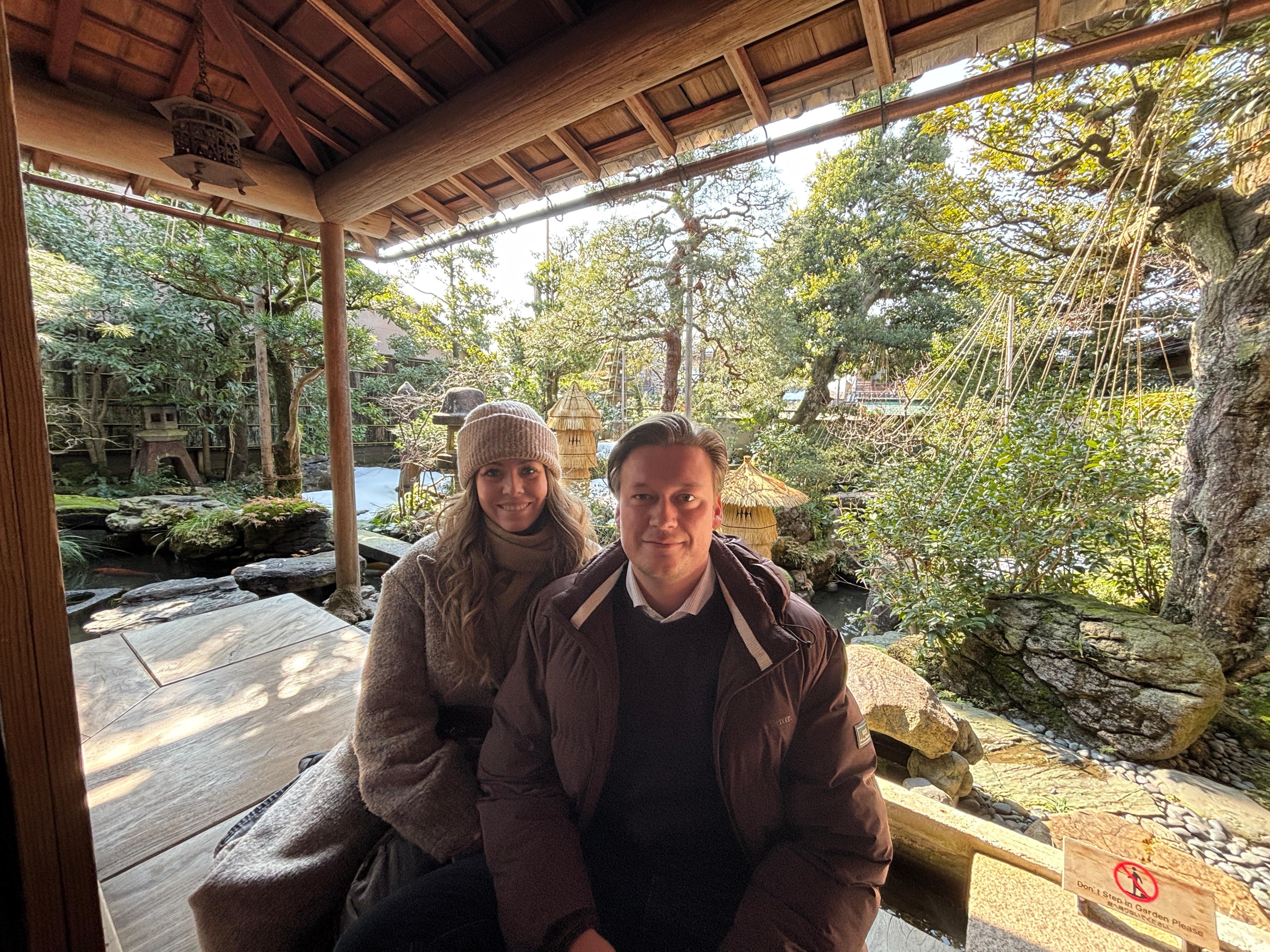
Winter offers cold days around 3 degrees Celsius with heavy snowfall. Woven straw mats protect the earthen walls of the nearby samurai quarters, creating a distinct winter landscape.
Small details that turn a good visit into a great one.
If you plan to visit both the castle turrets and the adjacent Kenrokuen Garden, buy the Kenrokuen-plus-one ticket. This pass costs 500 JPY and saves you money on individual admission fees.
The park grounds open as early as 07:00. Arriving before 09:00 allows you to photograph the massive gates and stone walls before the tour groups arrive.
You will need to take off your shoes to enter the interior of Gojukken Nagaya and other historical residences. Choose shoes that are easy to slide on and off.
During special seasons, the castle park and Gyokusen'inmaru Garden are illuminated after dark. Entry to the grounds remains free during these evening illumination events.
The Castle Town Kanazawa Loop Bus stops at all major sights. A one-day pass is highly convenient if you plan to explore the samurai and geisha districts after your visit.
Non-bookable sights within a short walk — free to visit, easy to pair.
This famous garden is located right across the pedestrian bridge from Ishikawa Gate. It features beautiful water features, bridges, and teahouses that date back to the Edo period.
Built in 1873, this shrine is dedicated to Maeda Toshiie, the first lord of the Kaga Domain. Its main gate features a stained-glass window that was once used as a lighthouse.
This historic district preserves the atmosphere of the Edo period with its narrow cobblestone lanes. Visitors can explore the Nomura Samurai House to view traditional gardens and relics.
Located south of the castle, this modern building was designed by SANAA. It features a circular glass structure and houses famous permanent installations like Leandro Erlich's swimming pool.
Flexible, no hidden fees.
Standard bookings for a Kanazawa samurai district tour offer a full refund if canceled at least 24 hours prior to the scheduled start time. Note that the 320 JPY entrance fee for reconstructed buildings is non-refundable once tickets are validated at the gate.
Hand-picked options within walking distance — pick a district for vibe, or a specific hotel for convenience.
A classic hotel featuring elegant Taisho-era design elements and natural hot spring baths near the castle grounds.
A modern hotel featuring robot receptionists and comfortable amenities located close to the shopping district.
The central lodging area of Kanazawa, offering a variety of business hotels, department stores, and local dining options.
Kanazawa's samurai quarter survived three centuries without a single battle. When Maeda Toshiie took command of Kaga domain in 1583, he ordered his retainers to settle the low ground northwest of Kanazawa Castle, leaving the elevated east bank for merchants and artisans. The district, known today as Nagamachi, remains legible — ochre earthen walls rise two metres above stone foundations, willow roots anchor the irrigation canals, and the Onma-yōsui waterway still threads between compounds at the original gradient. The Nomura family, mid-ranking samurai who served the Maeda clan for eleven generations, occupied a 400-tsubo plot at the heart of Nagamachi. Their residence, dismantled in 1927 and reconstructed in 1978, holds the only intact chashitsu teahouse in the district and a koi pond fed by a spring that predates the Edo fortifications. Visitors today enter through the same genkan vestibule that admitted clan messengers during the Bunka era, when stipend rice arrived twice yearly and sword maintenance was logged in lacquered ledgers. The adjoining Shinise Kinenkan Museum, housed in a former herbalist's storehouse, displays the account books and pharmacy weights that sustained merchant families through the domain's 280-year isolation from Tokugawa politics. Kanazawa Castle itself opens daily from 07:00, its reconstructed Gojikken Nagaya armoury and Hishi Yagura turret completed in 2001 using Edo-period carpentry. Admission to these structures costs 320 yen; the outer bailey and moats remain free. The castle park adjoins Kenrokuen Garden, ranked among Japan's three great landscape gardens since the Meiji restoration, and the two sites together anchor every kanazawa samurai district tour that departs from the east gate. Today the quarter functions as both memorial and working neighbourhood. Residents maintain the earthen walls with an annual application of yellow loam, and the municipal government restricts fa?ade alterations within the 500-metre preservation zone. The canals freeze in January, thaw in March, and run clear through summer, reflecting the same wooden eaves that Maeda retainers saw when they returned from dawn patrol along the Asano River.
"Kanazawa's samurai quarter survived three centuries without a single battle."
A step-by-step walkthrough of the visit — what you'll see, how long each stage takes, and the details that matter.
You enter Nagamachi through the south gate at Korinbo, where the ochre walls begin. The first canal runs parallel to the pavement, shallow enough to count the stones beneath the surface. Wooden plaques mark each compound — the Takada residence, the Kaga Yuzen silk workshop — but most gates remain closed. Nomura House opens at 08:30; you remove your shoes in the vestibule and step onto polished hinoki floorboards that creak under deliberate weight. The tearoom overlooks a garden no wider than twelve tatami mats. Granite lanterns frame the koi pond, and a bronze tsukubai basin catches runoff from the hillside spring. You trace the corridor to the weapons alcove, where a single katana rests in its lacquered stand, and then descend to the lower exhibition hall. Account ledgers fill two glass cases, their calligraphy crisp despite 200 years in storage. Outside, you follow the canal north toward Kanazawa Castle. The outer moat appears after five minutes, its stone ramparts rising in steps toward the reconstructed turret. You cross the Kahoku-mon gate at 09:15 and climb the interior stairs to the second-floor gallery, where wall diagrams explain the 2001 timber-frame reconstruction. From the western lookout you see Kenrokuen's pines, and beyond them the tile rooftops of Higashi Chaya geisha district.
You can reserve a slot online through licensed local guides. A tour usually starts near Kanazawa Station or the main gates of Kanazawa Castle.
General admission to the grounds of Kanazawa Castle is free, but tickets to enter the reconstructed wooden buildings cost 320 JPY. These can be bought at the automated ticket machines near the Gojukken Nagaya entrance.
There are no age restrictions, and children of all ages are welcome. The wide pathways around Kanazawa Castle make it easy to walk with families.
We recommend comfortable athletic shoes as the path traverses historical cobblestones. Dress in layers to prepare for changing weather conditions.
Many paths in Kanazawa Castle Park are gravel or paved, allowing partial access. However, the steep steps inside the wooden towers are not wheelchair accessible.
Eating is prohibited inside the historical buildings of Kanazawa Castle to protect the structures. You may carry a water bottle and drink in the outdoor garden areas.
Pets are not allowed inside the reconstructed buildings of Kanazawa Castle. Service dogs are permitted with proper documentation.
Tours generally operate rain or shine, so bringing an umbrella is advisable. If weather becomes severe, you can seek shelter in the rest houses of Kanazawa Castle.
Photography is allowed on the outdoor grounds of Kanazawa Castle. However, flash and tripods are prohibited inside the reconstructed wooden turrets.
Most tour packages do not cover the 320 JPY entrance fee for the inner towers. Be prepared to purchase this ticket separately at Kanazawa Castle if you wish to see the interiors.