
Kanazawa Samurai Tour
Tours & tickets

Hand-picked by our editors — only the best 5 samurai heritage experiences from 18 reviewed.

Open today 07:00 – 18:00
Attendance: Moderate — summer weekday
Paid structures inside require a 320 JPY ticket.
Free cancellation Instant confirmation Mobile voucher Verified partner Skip-the-line
Tickets

Choose your ticket

Verified partners for every tour, free cancellation where available, and instant confirmation on every booking.

Kanazawa Castle & Samurai Heritage Walk 3 hr
Standard Entry

Kanazawa Castle & Samurai Heritage Walk

4.9 (258)
€46
per person
Instant Mobile voucher Flexible — change up to 24h

Discover feudal Japan through preserved samurai quarters, castle grounds, and celebrated gardens

Reserve
Samurai & Geisha Heritage Walk in Kanazawa 4 hr
Standard Entry

Samurai & Geisha Heritage Walk in Kanazawa

4.8 (170)
€48
per person
Instant Mobile voucher Flexible — change up to 24h

Discover feudal Japan through castle grounds, warrior quarters, tranquil gardens, and geisha teahouses

Reserve

Prices from verified partners. Availability updates in real time at checkout. Free cancellation policies apply where shown.

What you'll do

Inside a tour, step by step

  1. 01 1h 00m

    Explore the Nagamachi Samurai District

    Stroll along the historic cobblestone streets, view the earthen mud walls, and learn about the lifestyle of middle-to-high ranking warriors of the Kaga Domain.

  2. 02 0h 45m

    Visit the Nomura Samurai House

    Enter a preserved samurai residence to inspect authentic family armor, historic scrolls, and a beautiful miniature courtyard garden.

  3. 03 0h 30m

    Cross over to Oyama Shrine

    Walk through this unique shrine featuring a Dutch-designed three-story gate with stained glass windows before heading toward the castle.

  4. 04 1h 00m

    Discover Kanazawa Castle Park

    Explore the massive castle grounds, inspect the Kahoku-mon and Ishikawa-mon gates, and learn about the Maeda clan defense systems.

  5. 05 0h 45m

    Tour the Gojukken Nagaya Turrets

    Walk through the restored multi-story wooden warehouse and turrets for 320 JPY to observe traditional Japanese carpentry joints.

Highlights

What you'll see inside the attraction

The landmarks, rooms, and views travelers on this tour remember — all visible on a single visit.

Nomura Samurai House

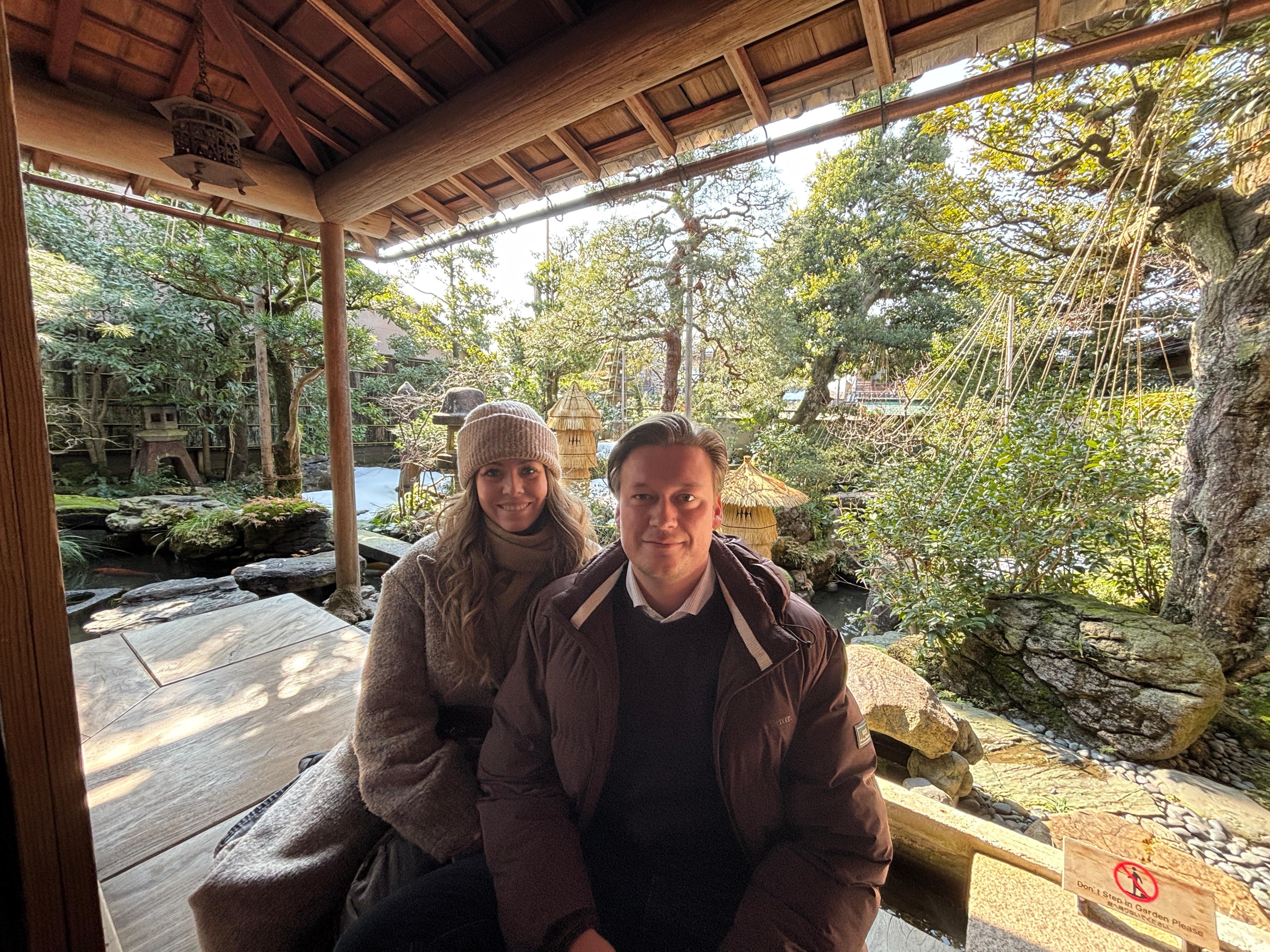
This preserved residence of the high-ranking Nomura family features an interior with exquisite fusuma screen paintings. The garden on the property was awarded two stars by the Michelin Green Guide Japan. It houses a scenic miniature waterfall and a pond containing 400-year-old stone lanterns.

Gojikken Nagaya

This massive 50-meter-long wooden storehouse served as a functional defensive wall and military depot during the feudal period. Reconstructed in 2001 using traditional joinery without a single metal nail, it showcases historic structural carpentry. The building offers panoramic views of the castle plaza from its upper floor windows.

Ishikawa-mon Gate

Rebuilt in 1788 after a devastating fire, this gate is designated as an Important Cultural Property of Japan. It features a unique combination of white lead tiles and black-stained wooden doors designed to withstand firearms. The gate serves as the primary entrance connecting the castle grounds to Kenroku-en Garden.

Gyoku-inmaru Garden

This historic garden was originally constructed in 1634 by the second lord of the Maeda clan, Toshitsune. It features a striking multi-tiered waterfall and a stone bridge system designed to replicate miniature mountain passes. The garden was meticulously restored to its original Edo-period layout in 2013.

Kahoku-mon Gate

Functioning as the main entrance to the inner castle courtyard, this formidable gateway was reconstructed in 2010. The upper level features a defensive room where soldiers could drop stones through floor traps onto intruders. The gate stands 12 meters high and showcases authentic timber framing techniques.

Takada Family House

This middle-class samurai residence features a beautifully restored entrance gate and a quiet stroll garden. Visitors can view the original servants' quarters and a working water channel running through the property. The site offers a realistic look at the daily lives of Edo-period warriors without charging an entry fee.

Head to head

Kanazawa Castle Park vs Kenrokuen Garden for a Nagamachi Samurai District Tour

They complement each other, yet most visitors who enjoy a nagamachi samurai district tour find the castle more historically immersive while the garden offers a superior landscape aesthetic. You might consider purchasing nagamachi samurai district tour tickets to bundle these local landmarks effectively.

Feature Top pick Kanazawa Castle Kenrokuen Garden
Primary Focus
Classical landscape design
Accessibility
Sloped terrain with gravel paths
Walking Intensity
High due to expansive grounds
Historical Context
Former daimyo private retreat
Visitor Experience
Serene stroll through nature
Best Time of Day
07:00–09:00

Verdict: Choose Kanazawa Castle for deep historical insights during your nagamachi samurai district tour tour, or select the garden if you prefer a peaceful walk through one of Japan's top three landscape gardens.

How your ticket works

Book your ticket in 3 steps

  1. 01

    Book online

    Choose your ticket, select your date, and reserve in under two minutes. Secure checkout handled by our verified partner.

  2. 02

    Receive your mobile voucher

    Instant confirmation by email, with a mobile voucher you can save offline. No printing, no queuing at a collection desk.

  3. 03

    Show & enter

    Arrive at the entrance, show your voucher on your phone, and walk in. Most tickets include priority or skip-the-line access.

Plan your visit

Everything you need to know before you go

Practical details for your visit straight from our verified partners — hours, access, rules, and how to get there.

Open today · 07:00 – 18:00
Opening Hours
07:00–18:00
Address
1-1 Marunouchi, Kanazawa, Ishikawa 920-0937, Japan
Entrance Fee
320 JPY (Admission fee for paid castle structures; park grounds are free.)
Best Arrival Window
07:00–09:00 — Early arrival avoids peak crowds and offers cooler temperatures for exploring the grounds.
Official Site
https://www.pref.ishikawa.lg.jp/siro-niwa/kanazawajou/e/index.html
Mon
07:00 – 18:00
Early entry allows access to grounds at 07:00
Tue
07:00 – 18:00
Paid structures inside open at 09:00
Wed
07:00 – 18:00
Last entry for paid structures is 16:00
Thu
07:00 – 18:00
Midweek mornings offer lower crowd density
Fri
07:00 – 18:00
Paid structures close at 16:30 daily
Sat
07:00 – 18:00
Weekend crowds are highest in the afternoon
Sun
07:00 – 18:00
Park grounds are fully accessible
Main entrance

Kanazawa Station Tourist Information Center

1-1 Kinoshinbomachi, Kanazawa, Ishikawa 920-0858, Japan

Meet your guide near the main information desk inside the station lobby before departing by bus.

Address
1-1 Marunouchi, Kanazawa, Ishikawa 920-0937, Japan
Official Site
https://www.pref.ishikawa.lg.jp/siro-niwa/kanazawajou/e/index.html

How to get there

🚆
Public transport · 10 mins · 210 JPY

Board the Kanazawa Loop Bus (Left Loop LL or Right Loop RL) from East Exit Bus Stop 7 at JR Kanazawa Station and get off at the Korinbo stop.

🚶
Walk · 25 mins · Free

Follow the main signposted roads from the East Exit of Kanazawa Station southward through the Korinbo commercial area directly to the historic streets.

🚕
Taxi · 10 mins · 1200 JPY

Take a taxi from the designated stand at JR Kanazawa Station East Exit directly to the Ote-mon Gate of Kanazawa Castle.

Dress code

Comfortable walking shoes are essential as this Nagamachi Samurai District Tour tour requires covering approximately 2.5 to 3 kilometers across gravel paths. Dress in breathable layers for summer conditions and prepare for rain with an umbrella, as Ishikawa Prefecture experiences frequent precipitation.

Bags & security

Large suitcases, backpacks, and luggage are not permitted inside the restored paid structures of the castle and must be stored in coin lockers at Kanazawa Station or local rest areas. Security staff may conduct brief bag checks at entry gates to ensure no hazardous materials are brought onto the historic premises.

Photography

Photography is permitted throughout the castle grounds and Nagamachi streets, but tripod use is restricted on narrow pathways to prevent blockages. Flash photography, video recording, and selfie sticks are strictly prohibited inside the restored wooden interiors of the Hishi Yagura and Gojukken Nagaya.

Accessibility

If you book a Nagamachi Samurai District Tour, be prepared for some step-climbing in the preserved residences. The main pathways of Kanazawa Castle Park are wide and paved with flat gravel or stone, though some steep slopes lead to the upper courtyards.

Mobile phones

Mobile phones should be switched to silent mode when entering the indoor exhibition spaces of the castle turrets and private samurai residences. Phone conversations are prohibited inside these historic structures to maintain a quiet, respectful atmosphere for all guests.

What to bring

  • Comfortable walking shoes
  • Refillable water bottle
  • Umbrella or rain poncho
  • Cash in Japanese Yen (JPY)
  • Sun protection or hat
  • Mobile voucher or ticket confirmation

Not allowed

  • Large luggage and suitcases
  • Tripods and monopods
  • Drones and aerial cameras
  • Alcoholic beverages
  • Weapons and explosives
  • Sharp objects and knives
  • Flammable materials
  • Pet animals (except service dogs)
  • Bicycles and skateboards
  • Plastic sports balls and frisbees
  • Selfie sticks inside buildings

Families & strollers

Strollers are welcome on the outdoor paths of the castle grounds but must be folded or left outside when entering the paid wooden structures. Families should note that baby-changing facilities are situated in the Tsurunomaru Rest House, and children under 18 receive discounted admission of 100 JPY.

Food & drink

Eating is prohibited while walking through the historical district and inside the castle buildings to preserve the wooden architecture. Visitors can consume drinks from plastic bottles at designated outdoor benches or enjoy traditional matcha and wagashi sweets at the Gyokusen-an Rest Area.

Pets

Pets are not permitted on a Nagamachi Samurai District Tour due to the narrow streets and indoor temple restrictions. Service dogs with proper documentation are permitted throughout the park grounds and guided pathways.

Good to know

English audio guides are available for rent at the castle entrance to enhance your understanding of the defense mechanisms. Visitors should retain their physical ticket stub if they plan to re-enter the paid structures within the same day.

Meeting points

Where to find us

Kanazawa Station Tourist Information Center

1-1 Kinoshinbomachi, Kanazawa, Ishikawa 920-0858, Japan

Meet your guide near the main information desk inside the station lobby before departing by bus.

Get directions

Starbucks Coffee Kohrinbo

1-2-32 Korinbo, Kanazawa, Ishikawa 920-0961, Japan

Located a short walk from the entrance of the samurai district, this is a common gathering point.

Get directions
Around your visit

Everything else worth knowing

Best time to go, insider tips, nearby landmarks, and the cancellation fine print — flip through to skim what matters to you.

Best time to visit

How crowds, weather, and events shift across the year.

Spring (March to May)

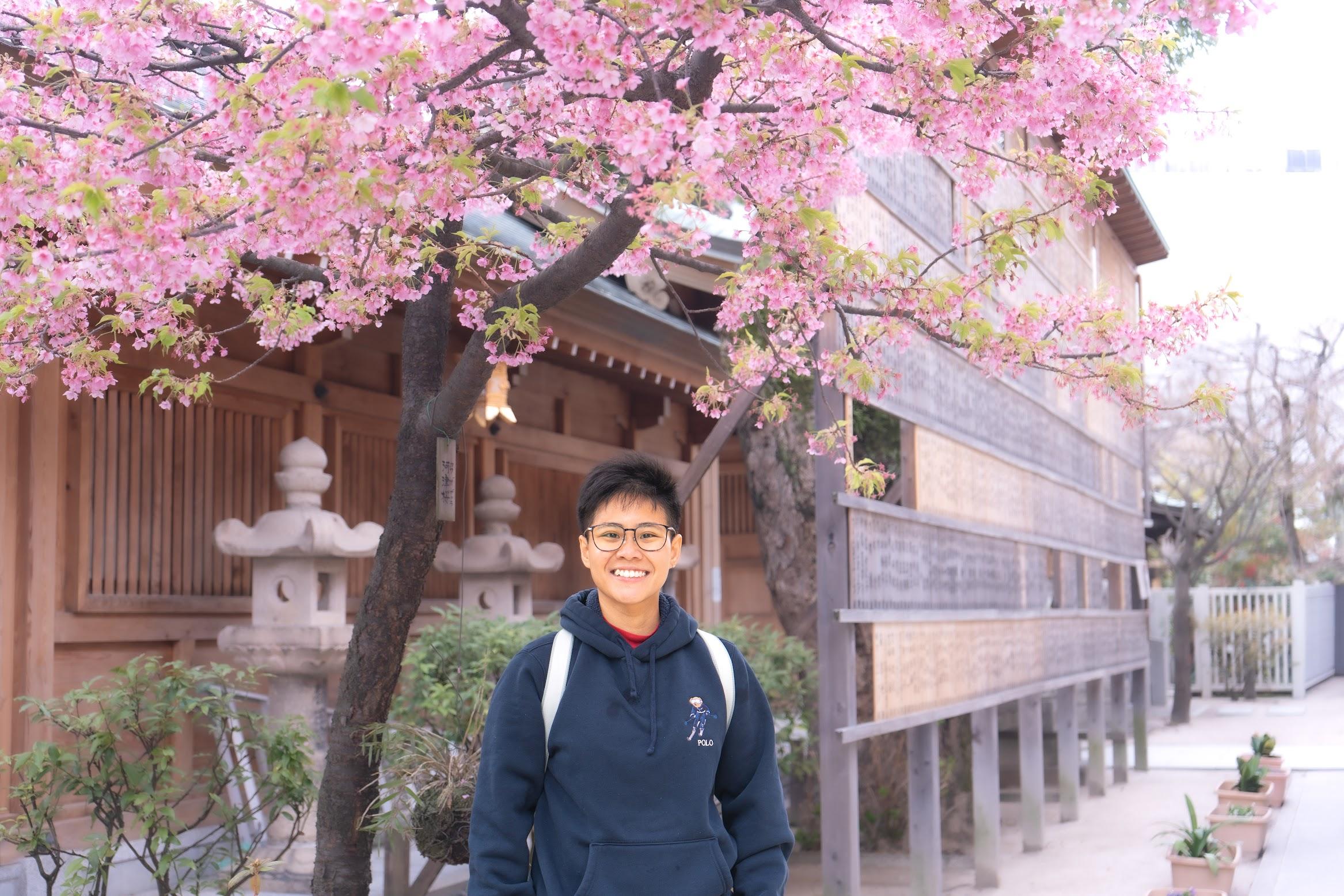
Spring brings pleasant temperatures averaging 15 to 20 degrees Celsius, ideal for a Nagamachi Samurai District Tour under cherry blossoms. The castle grounds are particularly beautiful in early April when hundreds of cherry trees bloom around the historic moats.

Summer (June to August)

Summer is humid and warm with temperatures often exceeding 30 degrees Celsius. Early morning walks between 07:00 and 09:00 are recommended to explore the outdoor castle ramparts before the heat peaks.

Autumn (September to November)

Autumn offers cool, crisp weather with temperatures between 10 and 18 degrees Celsius, making it a highly popular time to visit. The autumn foliage frames the earthen walls of the samurai district and the stone walls of the castle.

Winter (December to February)

Winter brings heavy snowfall, transforming the landscape with snow-covered roofs and traditional straw mats protecting the earthen walls. The castle and the quiet alleys look serene, but travelers must prepare for icy streets and cold winds.

Helpful tips for your visit

Small details that turn a good visit into a great one.

Purchase the Kanazawa Loop Bus Pass

Buying a one-day bus pass is highly economical if you plan to combine the castle grounds with other historic neighborhoods around the city.

Visit the Castle Early

Entering the castle park grounds between 07:00 and 09:00 allows you to experience the vast stone walls and gates in quiet surroundings before large groups arrive.

Combine Tickets to Save

Buy the Kenrokuen Plus One Ticket for 500 JPY, which grants access to both Kenroku-en Garden and the paid indoor structures of Kanazawa Castle.

Watch Your Step on Cobblestones

The historic streets of the samurai district are paved with original stones that can become slippery during rainy or snowy weather.

Look for Straw Mats in Winter

If visiting during winter, observe the straw mats (komeo) hung on the mud walls to prevent damage from frost and melting snow.

A Nagamachi Samurai District Tour tours experience

A Nagamachi Samurai District Tour tours experience is best enjoyed in the morning when the alleys are quiet.

Nearby landmarks

Non-bookable sights within a short walk — free to visit, easy to pair.

Kenroku-en Garden

5 min walk

One of the three most famous landscape gardens in Japan, known for its classic bridges, ponds, and pine trees protected by ropes.

Nomura-ke Samurai Heritage Residence

10 min walk

A beautifully restored residence of a high-ranking samurai family featuring a stunning small garden and historic weapons.

21st Century Museum of Contemporary Art

12 min walk

A circular museum building showcasing modern international artworks, including the famous Swimming Pool installation.

Omicho Market

15 min walk

A bustling market filled with over 180 stalls selling fresh local seafood, sweet seasonal fruits, and street food.

Oyama Shrine

8 min walk

A landmark shrine dedicated to Maeda Toshiie, famous for its unique three-tier gate that mixes European and Asian architectural styles.

Cancellation policy

Flexible, no hidden fees.

Bookings for a guided Nagamachi Samurai District Tour can be canceled free of charge up to 24 hours before the scheduled departure. Inside the castle grounds, the 320 JPY admission fee for paid structures is non-refundable once tickets are purchased.

Where to stay

Hotels & districts near the attraction

Hand-picked options within walking distance — pick a district for vibe, or a specific hotel for convenience.

Henn na Hotel Kanazawa Korinbo

5 min walk
mid-range

A modern, tech-forward hotel located right near the shopping district and the samurai quarters.

Kanazawa Hakuchoro Hotel Sanraku

12 min walk
luxury

A classic hotel featuring hot spring baths, elegant Taisho-era styling, and close proximity to the castle.

Katamachi District

10 min walk
district

A lively central area featuring multiple budget and mid-range business hotels close to nightlife and dining options.

About

The place, in context

The Nagamachi quarter retains its earthen walls and narrow irrigation channels exactly as they appeared when Kanazawa's middle-ranking samurai walked these lanes three centuries ago. Unlike the hilltop estates reserved for senior vassals, Nagamachi housed the retainer class — men who served the Maeda clan but lived modestly, their homes pressed close along twisting paths designed to confuse intruders. The district survived both the Meiji demolitions that erased samurai quarters across Japan and the bombing campaigns of the Pacific War, leaving a rare urban fabric intact. Today the neighborhood functions as both a residential quarter and a heritage precinct. The Nomura family residence, opened to visitors in 1976, preserves tatami halls, a tea ceremony room, and a compact garden built around a carp pond and stepping stones. Its cypress beams, lacquered alcoves, and sliding screens offer a material record of samurai domestic life. The adjoining Shinise Kinenkan Museum occupies a former pharmacy and displays merchant goods, maps, and tools from the Edo and Meiji periods. The wider district extends over eight blocks, each lined with ochre-colored earthen walls that rise two meters and are capped with ceramic tiles to shed rainwater. A nagamachi samurai district tour typically pairs the quarter with Kanazawa Castle's reconstructed gates and baileys, which sit a fifteen-minute walk to the northeast. The castle grounds open daily from 07:00 to 18:00, with admission to paid structures set at 320 yen. Early arrival between 07:00 and 09:00 avoids peak crowds and delivers cooler temperatures for walking the open courtyards and stone ramparts. Several guided heritage walks link the castle, Nagamachi, and the nearby geisha district of Higashi Chaya, forming a half-day circuit through Kanazawa's feudal core. The Maeda lords governed Kaga Province for fourteen generations without interruption, a tenure that allowed Kanazawa to develop a concentrated craft economy and a patronage culture rare outside Kyoto. Nagamachi's survival reflects that continuity. The district preserves not a single monument but an entire residential pattern, a network of lanes and walls that modern visitors can trace on foot, encountering the same forced turns and canal crossings that once defined the samurai experience of urban space.

"Nagamachi preserves not a monument but an entire residential pattern, a network of lanes and walls that visitors trace on foot today."
Your experience

What a tour day looks like

A step-by-step walkthrough of the visit — what you'll see, how long each stage takes, and the details that matter.

You enter the quarter from its southern edge, where ochre earthen walls rise on both sides of a lane barely wide enough for two people to pass. The walls curve gently, blocking sightlines and forcing you to navigate by sound and instinct. A shallow canal runs beside the path, its water diverted from the Asano River and clear enough to reveal algae-covered stones along the bed. At the Nomura residence you remove your shoes and step onto polished floorboards. The entry hall opens onto a tatami room framed by sliding screens, their paper panels admitting soft light. Beyond the screens lies the garden — a pond circled by stone lanterns, clipped pines, and a bamboo fence that conceals the neighboring houses. You walk the perimeter slowly, pausing at the tea room to note its sunken hearth and the calligraphy scroll hanging in the alcove. Outside again, you follow the lanes north toward Kanazawa Castle. The district's rhythm is repetitive — ochre walls, canal, turn, more walls — and that repetition is the point. This was a defensive neighborhood, built to disorient attackers and channel movement. You reach the castle's Ishikawa Gate at 08:30, ahead of the tour groups. The wooden structure, reconstructed in 1788 and again in the 1990s, stands three stories tall with white plaster walls and a copper roof. You cross the inner bailey, where gravel paths cut between stone foundations and reconstructed storehouses, then climb to the ramparts for a view over the city and the Nagamachi rooftops you just left.

Frequently asked

Frequently asked questions about Nagamachi Samurai District Tour tours

What are the opening hours for a Nagamachi Samurai District Tour?

The Nagamachi Samurai District is an open public area accessible 24 hours a day, but key stops like the Nomura Samurai House operate from 08:30 to 17:30. Kanazawa Castle Park grounds are open daily from 07:00 to 18:00.

How much are Nagamachi Samurai District Tour tickets?

Walking through the public streets is free. To access the paid castle structures, the entrance fee is 320 JPY, while individual attractions like the Nomura Samurai House charge a separate fee of 550 JPY.

What is the best arrival window for this historic Kanazawa walking tour?

The recommended arrival window is 07:00–09:00. Arriving early allows you to explore the grounds in cooler temperatures and avoid the peak midday crowds.

Is there a dress code for the Nagamachi Bukeyashiki tour?

No formal dress code is enforced, but flat walking shoes are highly recommended for the cobblestones. Loose, comfortable clothing is ideal for walking the outdoor pathways.

Are bags permitted during the Kanazawa castle and samurai tour?

Small daypacks are allowed on the grounds and inside the structures. However, large suitcases must be left in station lockers, as there are no storage facilities at the castle gates.

Can I take photos on a guided tour of Nagamachi?

Photography is encouraged on the public streets and outdoor park grounds. Inside the restored castle chambers, flash photography and tripods are strictly prohibited.

Is the Nagamachi Samurai District Tour wheelchair accessible?

The historical streets feature steps and uneven stones that can make navigation difficult. However, Kanazawa Castle Park offers paved step-free access paths and ramps at main gate entrances.

Where does the Nagamachi Samurai District Tour start?

Most excursions start near the Kanazawa Station Tourist Information Center or at landmark cafes in the Korinbo neighborhood. Your specific meeting location will be detailed on your booking voucher.

What happens in case of rain on a Kanazawa samurai district walk?

Walks proceed during rainy weather, as the canals and earthen walls offer a distinct atmosphere when wet. Umbrellas and raincoats are highly recommended on rainy days.

Are food and drinks allowed during the Nagamachi Samurai District Tour?

Eating is not permitted while walking through the historic streets or inside the wooden castle buildings. You may carry water bottles and consume snacks at designated resting benches.